How to Build a Graphic Design Portfolio That Gets Clients in Kenya
A strong portfolio is your primary sales tool as a graphic designer in Kenya. Here's exactly how to build one that converts browsers into paying clients.
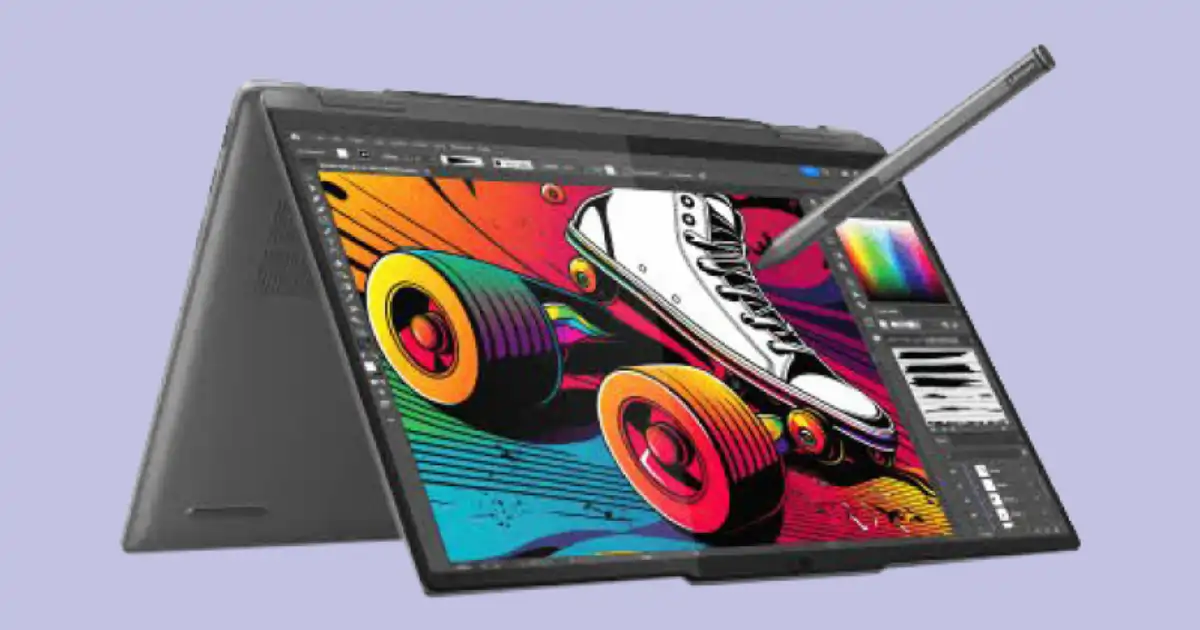
Your graphic design portfolio is not a nice-to-have. It's your primary sales tool. Without one, potential clients have no way to assess your skill level, style, or reliability. If you're serious about landing clients in Kenya—whether through direct pitches, referrals, or platforms like graphic designers on Kaziiko—you need a portfolio that demonstrates clear competence and professionalism.
The brutal truth: a portfolio with five strong projects will outperform one with twenty mediocre ones. Quality trumps quantity every single time.
Start with Your Best Work—Even If It's Not Much
You don't need decades of client work to begin. Your portfolio can include:
- Redesigns of real brands (with permission or as hypothetical cases)
- Personal branding projects you've created for yourself
- Student work, if it's genuinely polished
- Pro-bono designs for NGOs or community groups
- Spec work created specifically to fill gaps in your skillset
What matters is that each piece tells a story. A client wants to see not just the final design, but your thinking. Include a brief case study for 3-4 of your strongest pieces. Write one or two sentences explaining the challenge, your approach, and the result. A client hiring a designer wants confidence that you understand their business problem, not just that you can use Figma.
Choose Your Platform Wisely
You have several legitimate options. Behance and Dribbble remain the largest global platforms where clients actively hunt for designers. Both are free to use and both have strong searchability. Behance integrates with Adobe Creative Cloud, which makes uploading easy if you're already working in Photoshop or Illustrator.
A personal website matters if you're positioning yourself as a serious professional. You don't need anything fancy—a simple WordPress site or Webflow template, costing between KSh 2,000–8,000 per year for hosting, is enough. The advantage is that you control the narrative entirely and you're not competing for attention with thousands of other designers on the same platform.
Many successful Kenyan designers use both: a Behance profile for discoverability and a personal site linked from their email signature and social media. Verified Kenyan freelancers on Kaziiko often maintain portfolios across multiple channels to maximize visibility.
LinkedIn deserves mention here too. It's underutilized by designers in Kenya, but many corporate clients and agencies start their search there. A complete LinkedIn profile with portfolio images embedded in your posts can be surprisingly effective for landing local work.
The Mechanics of Displaying Your Work
High-resolution mockups matter. Don't just show a flat design file. Show your logo design on a business card. Show your packaging design on an actual product. Show your social media templates in a phone frame. Clients struggle to visualize designs in the abstract, so mockups bridge that gap.
Write clear, professional descriptions for each project. Avoid design jargon. Instead of "I used a vibrant color palette and geometric shapes," write "The client needed to appeal to younger audiences, so I chose bold colors and modern shapes to stand out on social media."
Include pricing information or a rate card on your portfolio site or in your email signature. Vague pricing creates friction. If you charge KSh 15,000–50,000 for logo design depending on complexity, say so. Transparency builds trust.
Keep It Current
Update your portfolio every three months with new work. Old portfolios signal that you're not actively taking on clients. Remove outdated or weaker pieces. Your portfolio should reflect your current ability and your current style direction.
Frequently Asked Questions
How many projects should I include in my first portfolio?
Five to eight strong pieces are enough to start. Each should represent a different design type (logo, packaging, web, social media, etc.) so potential clients see range. Quality always beats quantity.
Can I use work I didn't actually get paid for?
Yes, as long as you're honest about it. Label pro-bono work or spec work clearly. Many designers start this way. What matters is that the work is genuinely yours and meets professional standards.
Should I include my rates on my portfolio?
Yes. Publishing your rates reduces back-and-forth emails and filters out clients with unrealistic budgets. You can offer a range (e.g., logo design: KSh 15,000–40,000) based on project complexity.
What if I only do one type of design work?
Specialize. If you only do packaging design, own it. Build a focused portfolio of five to ten excellent packaging projects. Clients seeking a packaging specialist will find and trust you faster than a generalist.
Find an Expert on Kaziiko