Maisha Namba: Kenya's New Digital ID System Explained
Kenya's Maisha Namba digital ID merges multiple identity documents into one system. Here's what you need to know about registration, usage, and what changes for ordinary Kenyans.
Kenya's Maisha Namba digital identity system consolidates your national ID, passport, and driver's license into a single verified identity number tied to a digital wallet. Launched in 2025, the system aims to streamline access to government services, financial products, and private sector applications—though uptake has been slower than officials anticipated.
The Maisha Namba is not a replacement document you carry in your pocket. It's a 16-digit number linked to your biometric data, stored on the government's digital infrastructure. Think of it as a master key that various agencies and banks can use to verify who you are without asking for three different IDs.
How Registration Works
You register at any of the 47 county headquarters or selected Sub-County offices. The process takes about 15 minutes. Bring your original national ID or passport, and a completed registration form (available at the registration centers or online). There's no fee for basic registration.
The system captures your photograph, fingerprints, and iris scan during registration. These biometric markers are encrypted and stored centrally. Once registered, you receive a Maisha Namba number via SMS and email. Many Kenyans have found the process straightforward, though queues at registration centers—particularly in Nairobi and major towns—have stretched to 2-3 hours during peak periods.
If you've already registered, you can check your status and manage your digital profile through the digital ID experts available on Kaziiko or by visiting the official Maisha Namba portal directly.
What You Can Do With It
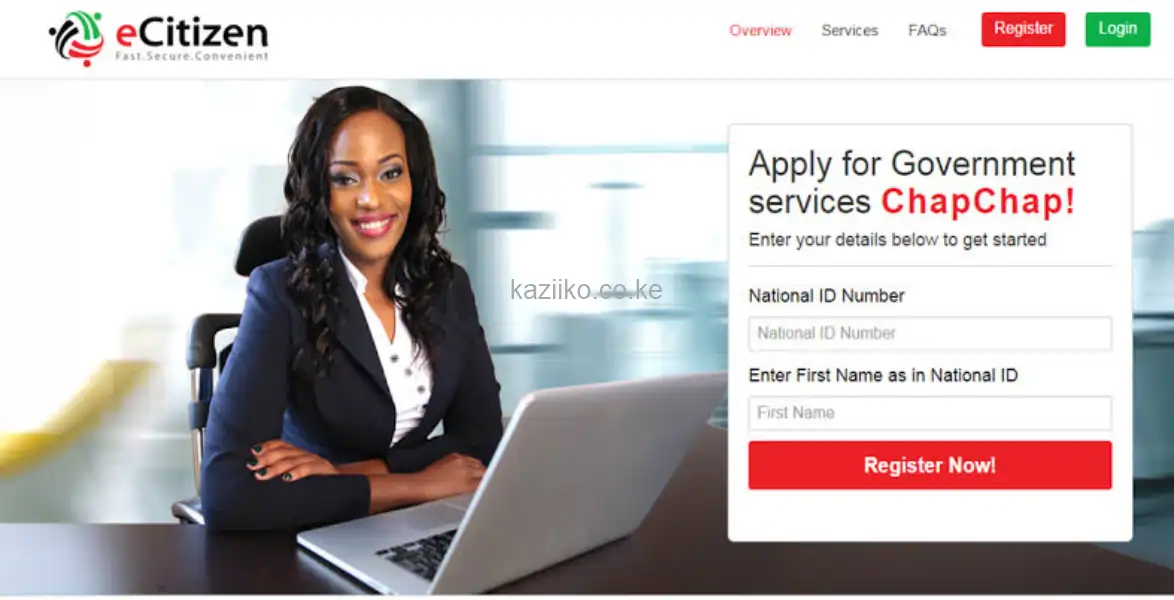
Several government agencies have integrated Maisha Namba into their systems. The Kenya Revenue Authority (KRA) uses it for tax registration on itax.kra.go.ke. The National Transport and Safety Authority (NTSA) accepts it for driving license applications. The eCitizen portal (ecitizen.go.ke) has incorporated it for passport services and other government transactions.
Banks and mobile money operators are gradually integrating the system. Safaricom, for example, has begun accepting Maisha Namba for KYC (Know Your Customer) compliance on M-Pesa accounts, reducing the friction of updating customer information. Insurance companies and microfinance institutions are following suit, though adoption varies.
The system also enables you to manage permissions. You control which agencies can access your data through a consent dashboard. In theory, this protects your privacy. In practice, the dashboard's interface remains clunky, and many users simply grant blanket access without reviewing what they're authorizing.
What's Actually Changed for You
If you use government services regularly, Maisha Namba eliminates some form-filling. One number replaces multiple document references. But this depends on where you're transacting. A small post office in rural Kenya may not have integrated the system yet. A Nairobi bank branch will.
The bigger shift is backend. Government agencies can now cross-reference your information more efficiently. This reduces duplicate registrations and theoretical fraud, though implementation gaps remain.
Security concerns persist. Data breaches on government systems have happened before. While Maisha Namba's architecture includes encryption, critics argue that centralizing identity data creates a single point of failure. The government has released security audit reports, but independent analysis is limited.
Adoption has plateaued around 18 million registrations as of early 2026—slower than the government's projections. Skepticism, infrastructure gaps, and the reality that most Kenyans can still access services with their national ID have dampened enthusiasm.
If you need help navigating registration or understanding how to use your Maisha Namba with specific agencies, you can find a verified Kenyan expert on Kaziiko who specializes in government digital services.
Frequently Asked Questions
Is Maisha Namba mandatory?
No. The government has not made it compulsory, though it's increasingly required for certain services. You can still access most government offices with your national ID, though processing may take longer.
Can I use Maisha Namba to open a bank account?
Some banks accept it as KYC verification. However, policies differ by institution. Contact your bank directly to confirm whether they accept Maisha Namba or still require your national ID.
What if I haven't registered yet?
Visit any county headquarters or selected Sub-County office with your national ID or passport. Registration is free and takes about 15 minutes. You'll receive your Maisha Namba number the same day via SMS.
Is my data safe with Maisha Namba?
The system uses encryption and biometric authentication. However, centralized databases carry inherent risks. The government publishes security protocols, but independent audits are limited. Exercise caution about which agencies you grant data access to.
Find an Expert on Kaziiko