KRA Tax Filing Season 2026: Deadlines, Updates and What to Prepare
The KRA tax filing season 2026 opens soon with new portal features and stricter compliance checks. Here's what you need to know before the deadline arrives.
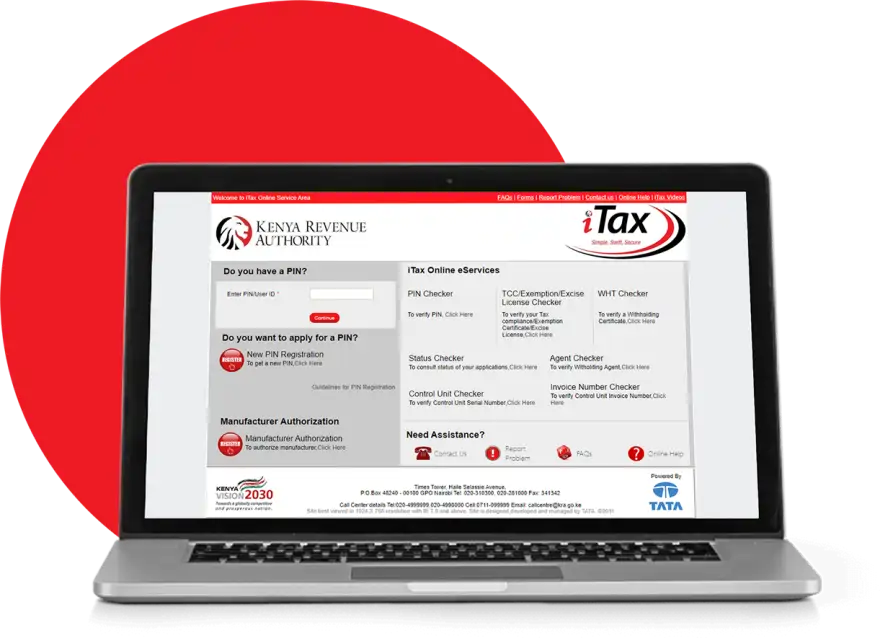
The Kenya Revenue Authority's tax filing season 2026 is upon us, and this year brings tighter enforcement, updated digital processes, and less room for missed deadlines. If you filed late last year, expect penalties to bite harder. The main filing deadline for individual taxpayers remains 30 June 2026, though corporate entities and partnerships have varying cut-off dates depending on their financial year-end.
The KRA continues pushing filers toward its revamped itax.kra.go.ke portal. The system now flagges incomplete information faster and cross-references your returns against mobile money transactions, bank statements, and NITA digital records. This means estimates and rounded figures won't pass scrutiny like they might have before.
What Changed This Filing Season
The most visible shift is the mandatory use of PIN-authenticated login on itax.kra.go.ke. Two-factor authentication is no longer optional—you'll receive an OTP via registered phone number every time you access your account. If you haven't updated your contact details with the KRA since 2024, do that now through ecitizen.go.ke before filing season peaks.
The KRA also expanded its digital audit trail. Every transaction you record, every expense you claim, and every income source you declare is timestamped and cross-referenced. Self-employed professionals and small business owners should expect deeper scrutiny on deductions, particularly for vehicle expenses, office supplies, and claimed home office costs.
Source deduction requirements tightened as well. If you're a contractor or freelancer receiving payments from companies, ensure those entities are filing their withholding taxes correctly. Mismatches between what you report and what employers declare trigger automatic KRA queries.
Practical Steps to Take Now
Gather your income documents: payslips, bank statements for self-employment income, rental income letters from property agents, and proof of investment returns. Keep receipts for every deductible expense—the KRA now requests digital copies, not just handwritten lists. Mobile money transaction history from Safaricom and other providers becomes your backup evidence for unbanked transactions.
If you work with an accountant or bookkeeper, start conversations by late May 2026. KRA tax experts on Kaziiko report that filing season creates bottlenecks; waiting until June means you'll pay rush fees or miss the deadline entirely.
Check your KRA registration status on itax.kra.go.ke. If you're flagged as non-compliant from a previous year, clear that first. Use the KRA penalty calculator to understand what you owe before filing.
For those unsure whether they need to file—if you earned any taxable income above KSh 300,000 annually, you must file. This includes interest from savings, rental income, and freelance work. Claiming you're not earning enough is not a valid reason to skip filing; the KRA will find you through third-party data.
Update your banking information on file. Refunds issued for overpaid taxes now arrive via direct deposit, and delays happen when bank account details are outdated. Process this update at least two weeks before filing.
If you need professional guidance beyond basic filing, find a verified Kenyan expert on Kaziiko who specializes in tax compliance. Many charge flat fees for filing season work, which beats hourly rates when timelines are tight.
Late Filing and Penalties
The KRA's penalty structure remains steep. Filing after 30 June 2026 triggers automatic surcharges of 5–10% of unpaid tax, plus interest accruing daily. Late filing penalties are non-negotiable—you cannot appeal them away. Only genuine hardship cases (death, illness, documented system failures) receive waivers, and even those require formal written requests submitted within 30 days.
E-filing through itax.kra.go.ke has a timestamp. Your return is filed at the moment you click submit, not when you start the process. If the portal slows down on 30 June—which it historically does—you may miss the deadline despite starting early.
Frequently Asked Questions
What if I can't file by 30 June 2026?
Request an extension in writing through itax.kra.go.ke before the deadline. Extensions are typically granted for 30–60 days, but filing late without approval triggers penalties immediately. There's no grace period.
Do I need to file if I only earned freelance income under KSh 300,000?
No, if your total taxable income falls below KSh 300,000 annually, you're exempt from filing. However, if you earned over that threshold through any combination of sources, you must file—and declare all of it.
Can I file on behalf of someone else?
Only if you're a licensed tax agent or accountant with power of attorney. Otherwise, filing someone else's return without their PIN-authenticated approval is considered fraud by the KRA.
How long does it take to get a tax refund?
Processing times vary from 4–12 weeks depending on system load and whether the KRA flags your return for audit. Direct deposit is faster than manual checks. Ensure your bank account details on file are current.
Find an Expert on Kaziiko