How to Handle VAT on Imported Services in Kenya (Reverse VAT)
Reverse VAT on imported services trips up many Kenyan businesses. Here's what you need to know about the process, who must register, and how to avoid costly penalties from the KRA.
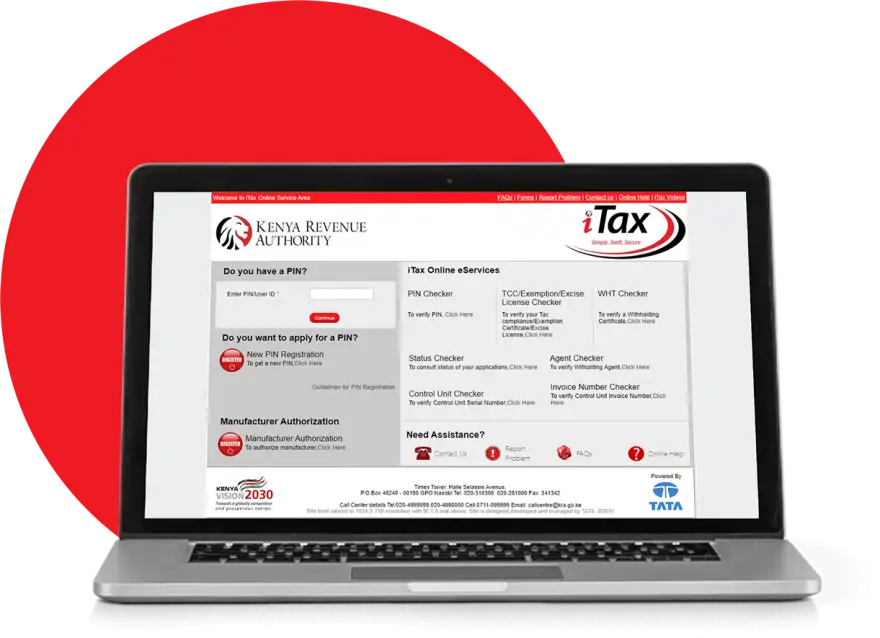
If your business imports services from abroad—whether it's software subscriptions, consulting, or cloud storage—you need to understand reverse VAT. The Kenya Revenue Authority treats imported services differently from goods, and getting it wrong can mean penalties you didn't budget for.
Reverse VAT on imported services means you self-assess the tax instead of the foreign supplier charging it. You calculate 16% VAT on the invoice amount, submit it to the KRA, and then claim it back as input credit if you're VAT-registered. Sounds straightforward on paper. The execution is where most businesses stumble.
Who Must Apply Reverse VAT
Not every business needs to worry about this. If you're not VAT-registered, reverse VAT doesn't apply to you—you simply pay the full cost without VAT recovery. But if you are registered with the KRA, you're required to self-assess VAT on imported services.
The KRA defines imported services broadly: cloud hosting, software licenses, digital marketing services, training programs delivered remotely, legal advice from foreign firms, accounting services from international providers. If the service provider is non-resident and the service is used in Kenya, reverse VAT applies.
There's a key exception. If the foreign service provider is registered for VAT in Kenya, they charge you VAT directly—no self-assessment needed. This is rare but happens occasionally with established international firms.
The Mechanics: How Reverse VAT Works
When you receive an invoice from a foreign service provider, you don't pay VAT to them. Instead, you calculate 16% on the invoice amount yourself. This becomes your output VAT liability for that month's return.
Here's the practical flow:
- Record the invoice at cost (without VAT)
- Calculate 16% VAT on that cost
- Include both the service cost and calculated VAT in your monthly KRA returns via itax.kra.go.ke
- Claim the same VAT amount as input tax if eligible
- The net effect is often zero, but you must still report it
This is where VAT registration experts earn their fees. Many businesses miss reporting imported services entirely, which triggers KRA audits months later. Others calculate VAT incorrectly because they don't understand which portions of an invoice qualify.
Your accounting system needs to flag imported services separately. If you're using spreadsheets, this is error-prone. Cloud accounting tools like Zoho Books or Xero have fields specifically for reverse VAT transactions, which reduces mistakes.
Documentation and Compliance
Keep the original invoice from the foreign supplier. The KRA may ask for proof that the service was actually imported and used in Kenya. Payment receipts, email confirmations, or delivery logs help here.
Some businesses pay via M-Pesa or bank transfer to international accounts—that's fine, but ensure your bank statement clearly shows it's a service payment, not a personal transfer. The KRA cross-references large overseas payments.
If you're unsure whether something qualifies as an imported service, check KRA's guidance on their website or consult a verified Kenyan expert on Kaziiko before proceeding. It's cheaper than a penalty later.
One more thing: record the supplier's country of residence in your accounting records. This simple step makes KRA correspondence faster if they query your return. You can also use the Kenya VAT calculator to double-check your math before submission.
Frequently Asked Questions
Can I claim back input VAT on imported services?
Yes, if you're VAT-registered and the service is used for business purposes. When you self-assess output VAT on the import, you simultaneously claim it as input tax. Most months, these cancel out. The KRA allows this because the service itself supports your taxable supplies.
What happens if I don't report reverse VAT on imported services?
The KRA treats it as underreporting income. You'll face a penalty of up to 50% of the tax shortfall, plus interest accruing daily. Use the KRA penalty calculator to see what this could cost. It's worth getting right the first time.
Does reverse VAT apply to services paid via Safaricom or other payment platforms?
Yes. The payment method doesn't matter. If the service provider is non-resident and delivers the service into Kenya, you self-assess VAT regardless of whether you paid via M-Pesa, Pesalink, or international transfer.
Should I hire someone to handle this?
Compliance experts can manage reverse VAT reporting as part of your monthly returns. For small businesses with few imported services, this may not be necessary. For companies with recurring international subscriptions or consulting contracts, it's a worthwhile investment to avoid errors.
Find an Expert on Kaziiko
