AI-Generated Images: Legal Issues and What Kenyan Creatives Should Know
AI image generators are cheap and fast, but they carry real legal risks for Kenyan designers, photographers, and content creators. Here's what you need to understand before you use them.
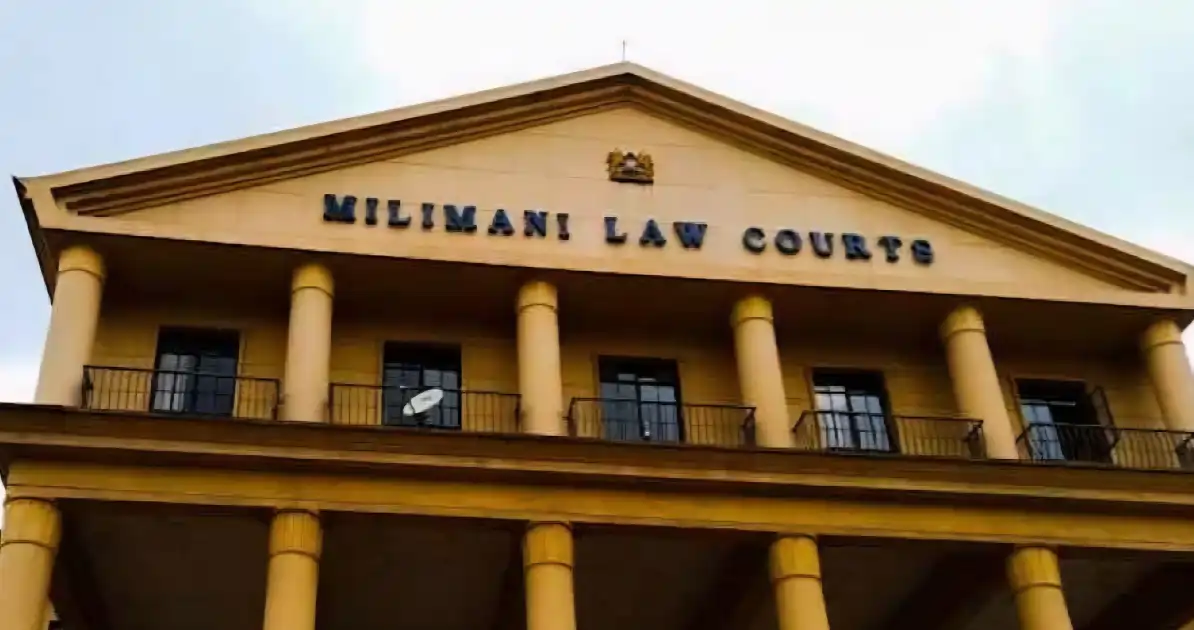
A graphic designer in Nairobi spends two hours on a client project, then generates five AI images as mockups. The client loves one and wants it for their billboard campaign. The designer doesn't think twice about it—until a photographer whose work trained the AI model contacts them with a copyright claim. This scenario is already happening to creatives across Kenya.
AI-generated images sit in a legal grey zone that catches many Kenyan creatives off guard. Tools like Midjourney, DALL-E, and Stable Diffusion produce images in seconds, at a fraction of traditional design costs. But using them without understanding the legal landscape can expose you to lawsuits, cease-and-desist letters, and lost contracts. The risks are real. The law is still catching up.
Copyright and Training Data: The Core Problem
Most AI image generators train on billions of images scraped from the internet without explicit permission from photographers, illustrators, or artists. When you generate an image using these tools, you're essentially asking a system built partly on copyrighted work to create something new. The legal question—who owns what—remains unsettled globally, and Kenya's copyright law hasn't yet addressed it directly.
Kenya's Copyright Act (2001) protects original artistic works. But does an AI output count as an original work if it's derived from training data that includes copyrighted material? Kenyan courts haven't ruled on this. Meanwhile, artists worldwide are suing AI companies, and some governments are imposing stricter regulations. Creative professionals in Kenya should assume that copyright liability exists until proven otherwise.
The practical impact: if you license an AI-generated image for commercial use and the AI company later faces copyright lawsuits, your client could face indemnification claims. Your contract might shift that liability to you.
Licensing Terms and Commercial Use
Not all AI image generators treat commercial use the same way. Some platforms require you to pay more for commercial licenses. Others claim ownership of all generated images. Read the terms carefully—they change frequently.
Midjourney, for instance, grants users commercial rights to generated images if they have a paid subscription. DALL-E offers similar protections for paying users. Free tiers usually don't include commercial licenses. Stable Diffusion's licensing depends on which implementation you use. If you're using a third-party platform built on Stable Diffusion, check their specific terms.
The trap: many Kenyan freelancers use free versions or share accounts to save costs, then use the outputs commercially. That's a breach of terms that can result in your account suspension and potential legal action from the platform owner.
What Kenyan Creatives Should Do Now
First, disclose AI usage to clients explicitly. Include it in your contracts and project proposals. Some clients—particularly large corporations—have strict policies against AI-generated content. Better to know this upfront than after you've delivered.
Second, purchase appropriate licenses if you're using AI tools commercially. If you use Midjourney or DALL-E, keep your subscription active and maintain records of payment. If you can't afford a paid tier, don't use the output commercially.
Third, consider using AI for ideation and drafting only. Generate concepts, then have a human photographer or designer create the final asset. This approach reduces legal exposure significantly and gives you full ownership of the deliverable.
If you need guidance on contracts or licensing disputes, legal experts on Kaziiko can review your specific situation. Alternatively, AI experts on Kaziiko can advise on tools that carry stronger legal protections.
The safest path is transparency with clients, paid subscriptions to generators, and clear documentation of what you've created and how. The law will eventually catch up, but until then, these steps protect your reputation and your wallet.
Frequently Asked Questions
Can I use free AI image generators for client work in Kenya?
Most free versions explicitly prohibit commercial use in their terms. Doing so breaches the platform's terms of service and exposes you and your client to legal claims. Use only paid, licensed versions for commercial projects.
If an AI image is sued for copyright infringement, am I liable?
Liability depends on your contract with the client and the specific terms of the AI platform you used. If you purchased a commercial license and clearly disclosed AI usage, your liability is reduced. Without disclosure or a proper license, you could be held responsible. Consult a lawyer for your specific situation.
Do I need to tell clients I used AI to generate images?
Yes. Failing to disclose AI usage when you've presented it as your own original work is dishonest and potentially fraudulent. Clients have the right to know how their deliverables were created, and many have specific policies about it.
What's the difference between using AI to edit photos and generating images from scratch?
AI-powered photo editing tools (like upscaling or background removal) carry lower legal risk because you own the original photo. AI image generation from text or prompts carries higher risk because the output is derived from training data you didn't create and don't control. The risks are meaningfully different.
Find an Expert on Kaziiko