Understanding Kenya's Electronic Tax Invoice Management System (eTIMS)
eTIMS is the KRA's mandatory digital invoicing system for Kenyan businesses. Learn how to register, comply, and avoid penalties in 2026.
What is eTIMS and Why It Matters in Kenya
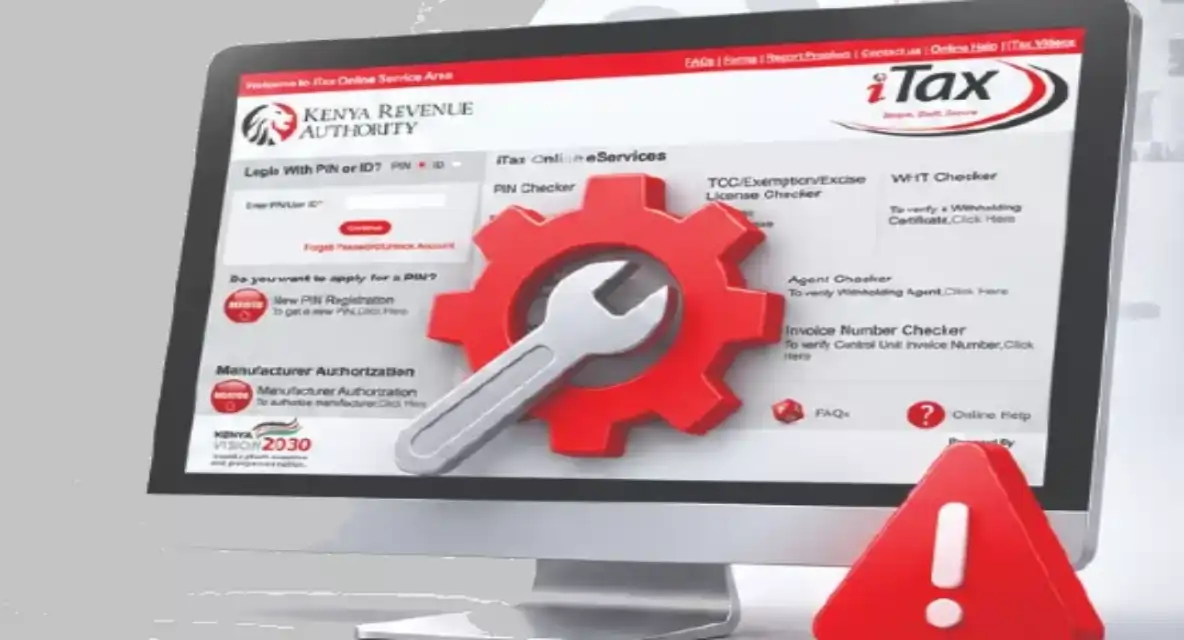
The Electronic Tax Invoice Management System (eTIMS) is Kenya Revenue Authority's (KRA) digital platform requiring businesses to generate and store tax invoices electronically. Launched progressively since 2023, eTIMS is now mandatory for most Kenyan businesses with a KRA PIN. The system integrates with your business operations to track sales in real-time, reduce tax fraud, and ensure compliance with the VAT Act and Income Tax Act.
If you operate a retail shop in Nairobi, run a salon in Kisumu, or manage a manufacturing business in Mombasa, eTIMS affects you. Non-compliance attracts penalties ranging from KSh 50,000 upwards, so understanding the system is critical for your business survival in 2026.
Who Must Register for eTIMS
The KRA requires registration for:
- All VAT-registered businesses
- Businesses with annual turnover exceeding KSh 5 million
- Importers and exporters
- Selected hospitality and retail sectors (pharmacies, supermarkets, fuel stations)
Exemptions are limited. Micro and small enterprises below the KSh 5 million threshold may have temporary relief, but this changes yearly—verify current thresholds on the KRA portal at itax.kra.go.ke.
The Registration and Setup Process
Start by logging into your KRA iTax account using your KRA PIN and password. Navigate to the eTIMS section and submit your business details, including your business certificate number and KRA registration documents. You'll need to nominate an eTIMS administrator—usually yourself or a trusted accountant.
The KRA then assigns you a unique eTIMS Serial Number and provides API credentials if your business uses Point-of-Sale (POS) systems. Most businesses integrate their POS systems with eTIMS through registered software providers. If you're unsure about technical setup, eTIMS experts on Kaziiko can guide your implementation.
Daily Compliance Obligations
Once live, every invoice you issue—whether for cash sales or credit—must be transmitted to eTIMS in real-time or within 24 hours, depending on your system setup. This includes:
- Customer details (name, ID/PIN, phone)
- Item descriptions and quantities
- Unit prices and VAT amounts
- Payment method (cash, M-Pesa, cheque, card)
The system generates unique invoice codes and stores encrypted records. You cannot manually edit invoices post-submission—all corrections require formal credit notes.
Common Compliance Pitfalls to Avoid
Many Kenyan businesses face penalties for incomplete customer information, offline invoicing without catch-up uploads, or using unregistered POS systems. The KRA conducts random audits and cross-checks eTIMS records against bank deposits and supplier invoices. If your M-Pesa deposits don't match your eTIMS sales, expect scrutiny.
Getting Expert Help
eTIMS complexity varies by business size. Sole traders manage it simply; large retailers need dedicated compliance teams. If you're overwhelmed, find a verified Kenyan expert on Kaziiko to handle your eTIMS setup and ongoing monitoring. Many accountants now offer eTIMS management as a bundled service.
Compliance with eTIMS in 2026 is non-negotiable. Start today—delays only invite penalties.
Find an Expert on Kaziiko