SHA Means Assessment: The Question That Confuses Everyone
SHA Means Assessment is how the government decides what non-salaried Kenyans pay for health insurance each month. If you're unemployed, self-employed or informal, you'll fill in a questionnaire about your home, household, assets and income — and SHA will set your premium based on that.
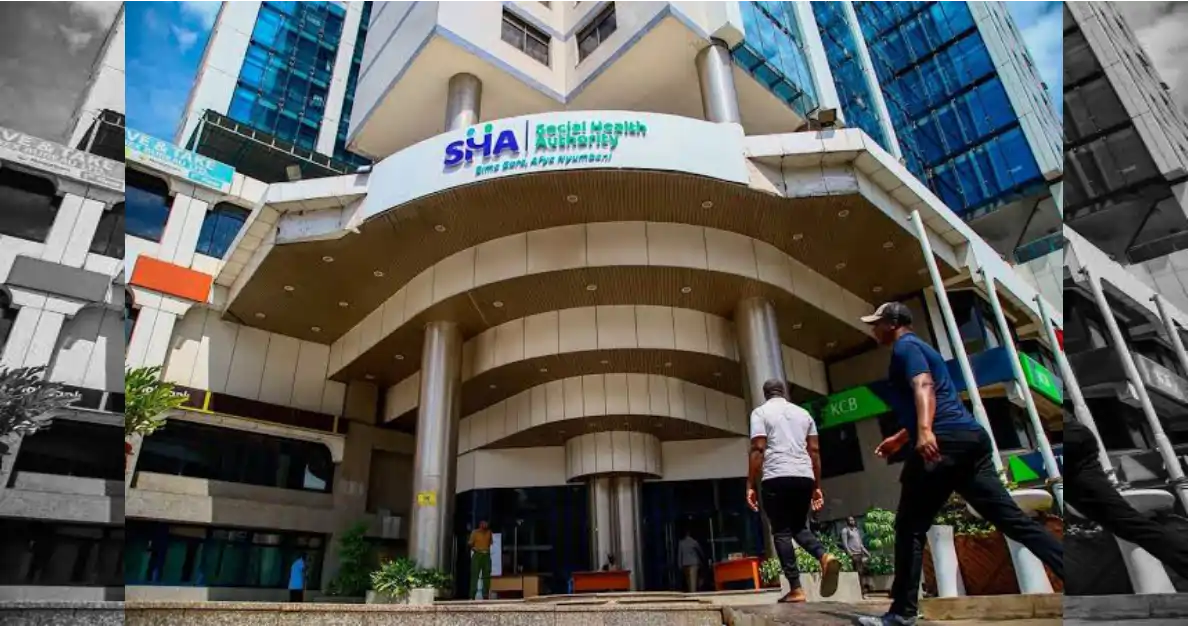
If you draw a salary, your employer deducts 2.75% before you see the money. But if you don't — you're unemployed, self-employed, work informally, or depend on someone else — then you hit a fork in the road called the SHA Means Assessment. It's the form that decides how much you pay for health insurance each month, and it baffles nearly everyone who meets it.
The short version: SHA registration experts can help you navigate this, but you should know what's actually happening. SHA (the Social Health Authority) replaced the old NHIF in October 2024. For salaried workers, nothing changed much — the employer still deducts. For everyone else, SHA switched to a system called Means Assessment. The government calls it Tier 2. The form calls it the Means Testing Instrument.
What the Means Assessment Actually Does
The SHA & SHIF course on Kaziiko Academy breaks down the mechanics, but here's the real picture: SHA doesn't know your income. If you work in a matatu, own a chama, sell produce at the market, or sit at home with no income, you're not on anyone's payroll. So SHA asks you questions. Lots of them. The questionnaire at afyayangu.go.ke covers your household size, the type of house you live in, whether you have water and electricity, what animals or vehicles you own, the land you hold, your education level, and your employment status.
You answer those questions. SHA's algorithm (which it does not publish) scores your answers. Out pops a monthly premium for you. The lowest it goes is KSh 300. There's no published maximum, and no way to predict your number before you fill it in.
Why Employers Are Different
Find a verified Kenyan expert on Kaziiko if your business is getting its payroll wrong — this costs money. Salaried staff are Tier 1. Tier 1 is simple: employer deducts 2.75% of gross monthly pay (minimum KSh 300, no cap), takes it off before PAYE, and remits by the 9th of the following month via employers.sha.go.ke. No assessment. No form. The law is clear.
Non-salaried people are Tier 2. That's anyone without a payslip from a registered employer — and Tier 2 uses the Means Assessment.
What the Questionnaire Evaluates
The instrument checks housing type (a mud house scores differently from a concrete one). It asks about water source, sanitation, electricity access. It lists livestock, land size, vehicles, business ownership. It wants to know the highest education level of the household head and your employment status. All of that feeds into a black-box calculation that spits out your premium.
SHA won't say how much weight each question carries. It won't let you run a calculator on your answers first. You fill the form, submit it, and see the result — sometimes immediately, sometimes after a few days.
How to Complete It
Register at sha.go.ke or dial *147# first if you haven't already. Registration is free. Once you're registered, log into afyayangu.go.ke using your National ID. Look for the Means Testing section. Answer every field honestly. Hit submit. Within days, SHA will email or SMS your assessed premium. The minimum is KSh 300 per month. Pay via M-Pesa Paybill 200222, using your National ID as the account number.
If your household truly cannot pay, SHA offers Lipa SHA Pole Pole — an instalment plan for hardship cases. You must have completed the Means Assessment first and have no unpaid arrears.
Why It Confuses People
The algorithm is invisible. Two households that look identical might get different premiums. There's no appeals process published. Some people pay KSh 300 for months, then log in one day to find SHA has reassessed them upward. Others pay and don't know if their payment landed. The SHIF deduction calculator works for employers, but Tier 2 individuals have no equivalent — just the questionnaire, and hope it calculates fairly.
SHA says it typically updates your payment status within 1–3 working days on sha.go.ke. Check by logging in with your ID number. If your contribution is shown as paid, you're active. If not, log the payment reference number and follow up at a Huduma Centre or SHA branch.
The bigger frustration: SHA changed the rules without matching it to how Kenyans actually live. A self-employed electrician's income fluctuates monthly. A farmer's income is seasonal. The Means Assessment doesn't account for that. It takes a snapshot once and locks you into a premium that may be too high for some months and too low to reflect income in others. The form doesn't ask when you earned the income it's measuring or whether you still have it.
Real Numbers: What Tier 2 Members Pay
The floor is KSh 300 per month. That's for people assessed as having almost no income or assets. From there, premiums climb based on the scoring. SHA has never published a ceiling. Some assessments land at KSh 500, others at KSh 1,500 or higher. It depends entirely on what you answered and how SHA's scoring weights your answers.
If you're on a payroll and your employer hasn't deducted SHA, you're also Tier 2 — and you owe the Means Assessment. The law doesn't exempt anyone.
What SHA Covers Once You're In
Whether you pay KSh 300 or KSh 2,000 per month, you get the same three funds: the Primary Healthcare Fund for outpatient and primary care; the Social Health Insurance Fund (SHIF) for inpatient stays and specialist treatment; and the Emergency, Chronic and Critical Illness Fund for major events. Access depends on whether the hospital is contracted with SHA and whether you're current on payments. If you're more than 60 days behind, you're shown as inactive, even if you paid — the system has a 60-day grace window.
The Bigger Picture
By August 2026, SHA had registered 32.3 million Kenyans. Most of those are Tier 1 (salaried) or have dependants under a household Tier 2 registration. The Means Assessment keeps the system functioning because SHA doesn't have reliable income data for most Kenyans outside formal employment. It's a pragmatic proxy, not a perfect tool. But for someone filling it out for the first time, it's opaque, slow, and carries a large financial consequence if you get it wrong or if SHA reassesses you upward mid-year.
Ask yourself: Do you have a current payslip from a registered employer? If yes, you're Tier 1, and your employer handles it. If no — you're Tier 2, and the Means Assessment is waiting.
Frequently Asked Questions
What's the difference between Tier 1 and Tier 2?
Tier 1 is salaried employees, whose employer deducts and remits 2.75% of gross income automatically. Tier 2 covers everyone else — the unemployed, self-employed, informal workers, and dependants — who are assessed through the SHA Means Testing.
Can I find out my Means Assessment premium before I submit?
SHA does not publish the internal scoring formula behind the Means Testing Instrument, so no calculator can predict your exact Tier 2 premium in advance. Fill in the form at afyayangu.go.ke to see your actual premium.
What if I disagree with my assessed premium?
Update your employment status or household details on the Afya Yangu portal and resubmit the Means Testing Instrument if your circumstances have changed. SHA doesn't publish a formal appeals process, but you can contact SHA customer support at +254 (0) 20 271 4872 or visit a SHA branch in person to request a review.
What's the minimum and maximum I can be charged?
The minimum is KES 300 per month regardless of assessment outcome. SHA does not publish a maximum; it varies by household.
Find an Expert on Kaziiko
