NTSA Driving Test in 2026: What to Expect and How to Pass First Time
The NTSA driving test remains Kenya's gatekeeping hurdle for legal road use. Here's exactly what the 2026 test involves and proven tactics to pass on your first attempt.
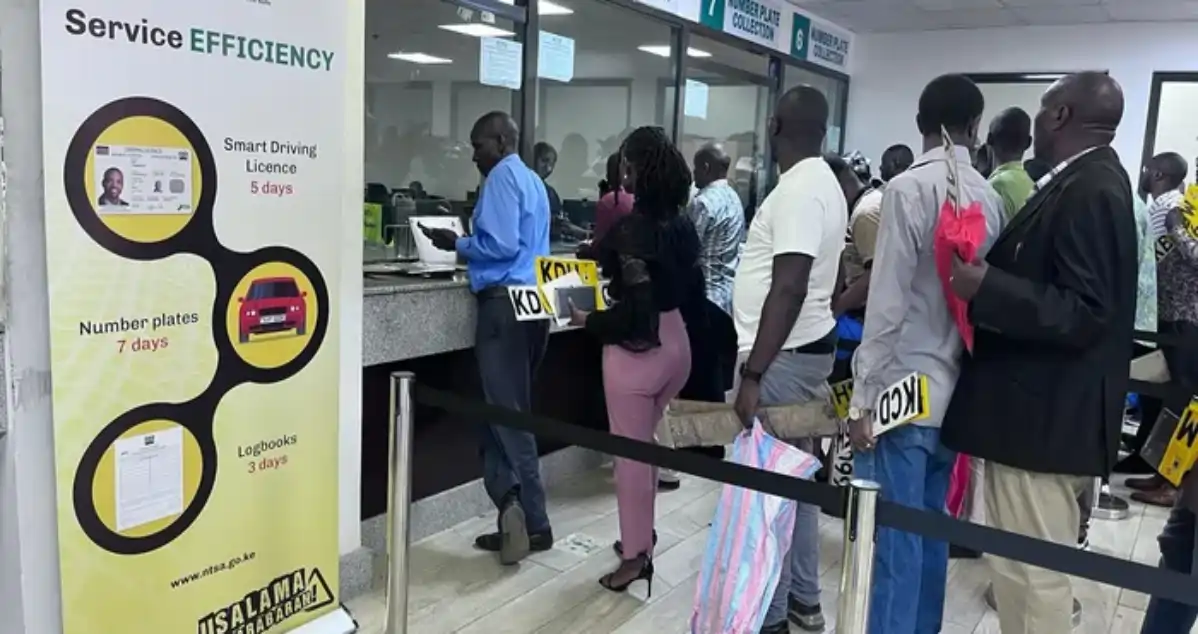
The NTSA driving test in 2026 is tougher than most Kenyans expect. You'll face a written exam, a hazard perception component, and a practical driving assessment—all with strict marking criteria that catch overconfident drivers regularly. If you're preparing now, understand the specific format and you'll dramatically improve your odds of passing first time.
Your first step is registering through the official NTSA portal at ntsa.go.ke. The online system walks you through uploading your medical clearance certificate, valid identification, and proof of payment. The current application fee sits around KSh 3,500, though check the official portal for current fees since these adjust periodically. Processing takes 5-7 working days if your documents are complete.
The Written Exam: 50 Questions You Can't Wing
This section tests your knowledge of Kenyan traffic laws, road signs, and vehicle maintenance. You get 50 multiple-choice questions and must score at least 80% to proceed. Most candidates underestimate this part because they assume "driving sense" replaces actual study. It doesn't.
The questions cover the Traffic Act, specific road sign meanings, safe stopping distances, and what to do when your brakes fail. Real examples from past tests include identifying the difference between regulatory and warning signs, calculating stopping distances at different speeds, and understanding parking restrictions in built-up areas. NTSA & Driving course on Kaziiko Academy provides structured prep that mirrors the actual test format. Spend three weeks minimum on this section—it's the phase where most first-time failures happen.
Hazard Perception and the Practical Drive
After passing the written exam, you'll face a hazard perception video component showing real road scenarios. Your job is spotting dangers before they become crashes. Then comes the practical test—the part that genuinely terrifies candidates.
The driving examiner will put you through controlled maneuvers: reversing into a bay, three-point turns, hill starts (if applicable), and general road handling. They're watching for smooth steering, proper mirror checks, correct signaling, and how you respond to unexpected obstacles. Most examiners ride quietly, which throws nervous drivers. Stay calm and drive as if the examiner isn't there.
Practical test centers exist in Nairobi, Kisumu, Nakuru, Mombasa, and other major towns. Book your slot in advance—waiting lists stretch four to six weeks during peak season (January, March, September). NTSA experts on Kaziiko offer specialized practical coaching that focuses on examiner expectations and common mistakes.
Common failures include insufficient mirror checks, hesitating at intersections, incorrect lane discipline, and parking errors. None of these require you to be a brilliant driver—they require practice and awareness. If you've driven regularly for six months before the test, you're already ahead of most candidates.
Real Preparation Strategy
Start with the written materials four weeks out. Dedicate one week to hazard perception scenarios. Spend the remaining three weeks on practical driving with someone who knows the test requirements—not just someone who drives well. Take your actual test on a day when you're rested, not after a long work shift.
The NTSA driving test passes roughly 65% of candidates on first attempt. That's not because the test is unfairly hard. It's because many people treat it as a box-ticking exercise rather than preparation worth taking seriously. If you study systematically and practice consistently, you'll be in the pass column.
Frequently Asked Questions
How much does the NTSA driving test cost in 2026?
Application and testing fees total around KSh 3,500, though check ntsa.go.ke for current rates as fees adjust annually. You'll pay via M-Pesa or bank transfer during registration.
Can I retake the test if I fail?
Yes. You can apply for a retest after 14 days. The fee applies again. Most people pass on the second attempt because they now know exactly what to expect.
What documents do I need to register?
Bring a valid national ID or passport, a medical clearance certificate (from any licensed clinic), and proof of payment. Upload these through the NTSA portal during registration.
How long is the entire process from application to license?
Roughly 8-10 weeks if you pass first time. This includes processing (7 days), test scheduling (4-6 weeks), and license issuance (3-5 days). If you fail and retake, add another 4-6 weeks.
Find an Expert on Kaziiko