How to Clear Goods from Mombasa Port as a Kenyan Importer
Clearing goods from Mombasa Port involves customs declarations, duty payments, and documentation that can take weeks if done wrong. Here's what you actually need to do.
Clearing goods from Mombasa Port as a Kenyan importer is straightforward on paper. In practice, it demands attention to detail, patience with bureaucracy, and money set aside for fees you might not anticipate. The process has improved since the port digitalized most of its operations, but delays still happen—usually because importers miss a single document or misjudge their goods' classification.
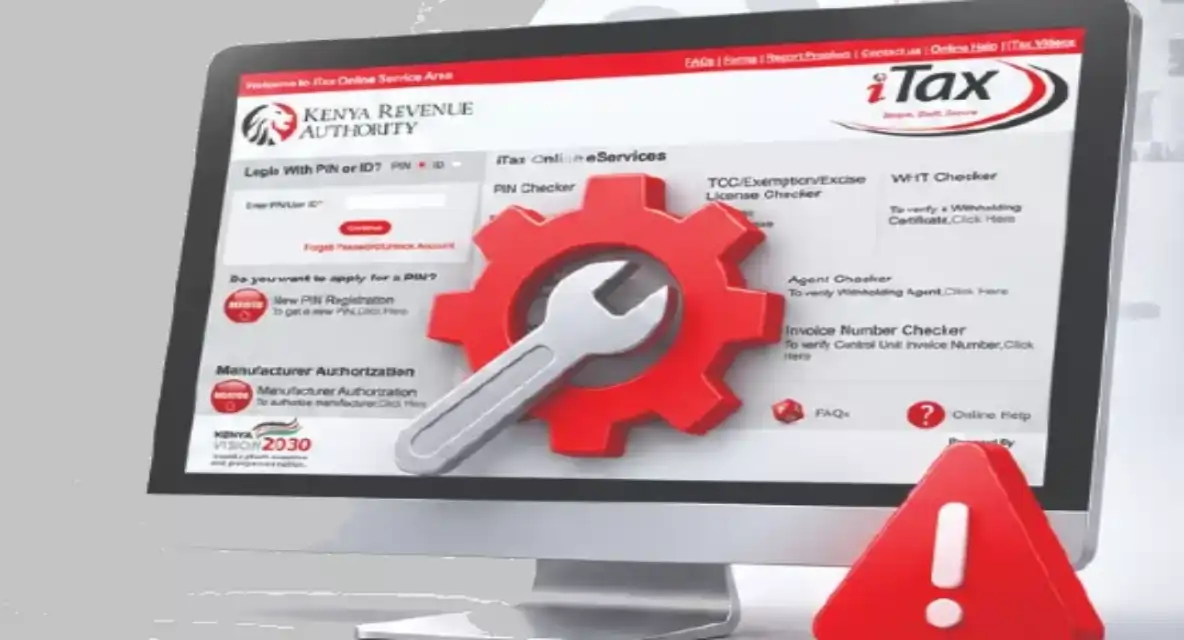
Start before your shipment even arrives. Register with the Kenya Revenue Authority (KRA) through itax.kra.go.ke if you haven't already. You'll need your PIN, which takes minutes to obtain on ecitizen.go.ke. Without these credentials, you cannot file customs declarations or track your cargo.
The Core Steps to Clear Your Goods
The moment your shipment lands at Mombasa Port, the port authority issues a bill of lading and arrival notice. You have a limited window—usually 14 days—to begin the clearance process. Delay, and you'll pay demurrage charges that compound daily.
Your freight forwarder or clearing agent will file an Entry Inwards Notice (EIN) and a Bill of Entry on your behalf through the KRA's customs system. This document declares what you're importing, its value, origin, and intended use. The KRA assigns a classification code to your goods using the Harmonized Commodity Description and Coding System (HS code). This code determines your duty rate, and getting it wrong is expensive.
Next, you pay import duties, VAT, and any excise taxes owed. Duty rates range from zero to 100 percent depending on the product category. A shipment of industrial machinery might attract 10 percent duty, while luxury goods face higher rates. VAT sits at 16 percent on most imports. Payment happens through the KRA portal or via M-Pesa if the amount is small enough. For larger shipments, direct bank transfer is standard.
Once payment clears, the KRA issues a customs release note. This is your golden ticket. Present it at the port, and your goods move to the designated cargo shed. Physical inspection happens at this stage—customs officers may or may not open your containers. High-risk items like electronics, pharmaceuticals, or foodstuffs face closer scrutiny.
The final step is collection. Arrange transport with the port, pay any remaining port charges, and move your goods off the dock. Total time from arrival to collection typically ranges from five to twenty days, depending on how quickly you act and whether your documents pass inspection on the first attempt.
Common Pitfalls That Delay Clearance
Misclassifying goods is the biggest culprit. Declaring a shipment as "spare parts" when it contains finished machinery invites investigation and penalties. KRA tax experts on Kaziiko can advise on proper classification before you import.
Missing or incorrect documentation also stalls clearance. Invoices must match packing lists, which must match your declaration. Insurance certificates, certificates of origin, and health certificates (for food and animals) are often required but forgotten.
Undervaluing goods to reduce duties is illegal and prosecuted. Customs officers compare your declared value against similar shipments and international benchmarks. Significant undervaluation triggers audits and penalties calculated using the KRA penalty calculator.
Budget for agent fees—typically 2 to 5 percent of cargo value—and port handling charges. These are unavoidable if you want professional clearance. Attempting to navigate the system alone usually costs more in time and errors.
If your goods get stuck, find a verified Kenyan expert on Kaziiko who specializes in customs clearance. A good clearing agent pays for themselves by preventing mistakes.
Frequently Asked Questions
How long does customs clearance at Mombasa Port take?
Five to fifteen business days on average, assuming your documents are correct and no inspection complications arise. Delays extend this to three weeks or longer if goods are flagged for investigation or if you miss deadlines for document submission.
What happens if I don't collect my goods within 14 days?
The port charges daily demurrage fees that accumulate quickly. After 30 days, the port may auction unclaimed cargo to recover costs. Avoid this by planning clearance before arrival and staying responsive to port communications.
Can I clear goods without a clearing agent?
Technically yes, but it's not recommended. The paperwork is dense, timelines are tight, and errors invite KRA audits. Most successful importers use agents, paying 2 to 5 percent of cargo value for peace of mind and speed.
What's the difference between duty and VAT on imports?
Duty is a tariff tax based on product type and origin, ranging from zero to 100 percent. VAT is a consumption tax applied at 16 percent on the dutiable value. Both must be paid separately before clearance.
Find an Expert on Kaziiko
