Excise Duty in Kenya: What Importers and Manufacturers Must Know
Excise duty applies to specific goods made in or imported into Kenya—from beer and cigarettes to sugar and motor vehicles. Getting your registration and payment timing right keeps you compliant with KRA.
Excise duty in Kenya is a tax on certain goods and services, collected by the Kenya Revenue Authority (KRA). It applies whether you manufacture these products locally or import them. If you work with beverages, vehicles, fuel, tobacco, cosmetics or other excisable goods, this duty will affect your costs and your bottom line.
The tax works differently from VAT or customs duty. Excise duty is specific—meaning it is often charged per unit (per litre, per kilogram, per stick) rather than as a percentage of price. This makes excise duty predictable to calculate but unforgiving if you miss a deadline.
Which Goods Are Taxed
Excisable commodities include bottled water, soft drinks, cigarettes, alcohol, fuels, and motor vehicles. Recent changes have expanded the list. Coal is now subject to 5% excise duty, affecting industrial coal importers, particularly cement manufacturers and thermal energy users. Fruit and vegetable juices now face a two-tier structure: sweetened juices are taxed at KES 20 per litre and unsweetened juices at KES 14.14 per litre.
Imported sugar now attracts excise duty of KSh 40 per kilogram. Imported plastic sheeting, advertising materials and sanitary fittings are taxed at rates up to 35%. Check the KRA website to confirm the current rate for your specific product—rates change frequently, especially on non-traditional excisable goods.
Bottled water manufactured or imported on or after July 1, 2026, is no longer subject to excise duty. This is recent, so older guidance may still list bottled water as excisable.
Getting Licensed
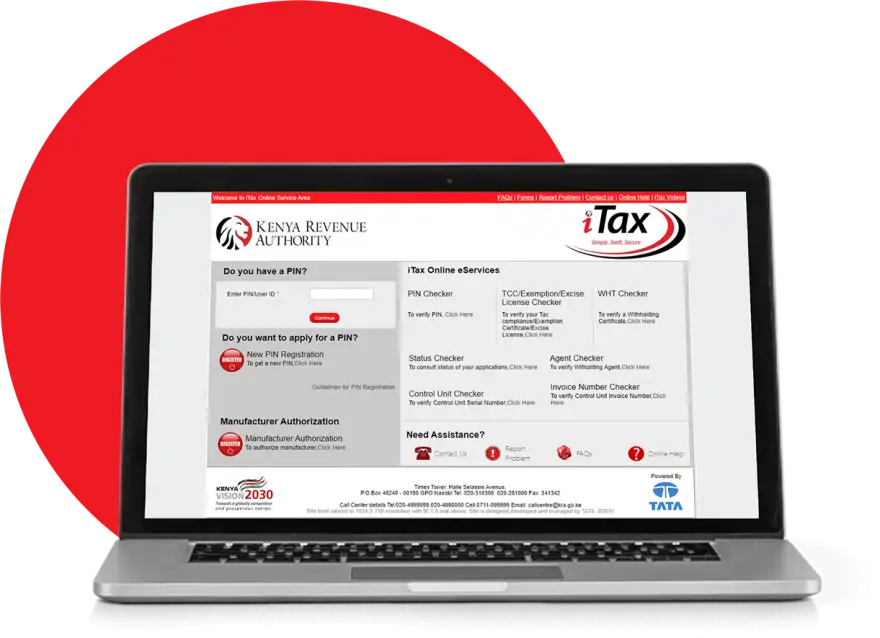
Manufacturing excisable goods in Kenya requires proper registration with the Kenya Revenue Authority (KRA) and compliance with excise duty regulations. To obtain an excise licence, log in to iTax, click the registration tab, select other registration, click on excise licence, fill in the details and submit.
Importers need an import certificate. Both should be completed before you bring goods into the country or begin production. Delays here mean you cannot legally clear your stock or sell your product. Find a verified Kenyan expert on Kaziiko who has navigated this process if your first attempt stalls.
Excise stamps are issued by KRA to licensed persons only. Applications for excise stamps are made through the EGMS system, though you can initiate the process at an EGMS Service Desk in various KRA Tax Service Offices.
Payment Deadlines and How to Pay
Timing matters. Previously, excise duty on alcoholic beverages had to be paid within 24 hours of removing the goods from the factory. This has been extended to the fifth day of the following month after the transaction. Check with KRA whether this timeline applies to your product category—non-alcoholic excisable goods may have different rules.
Customs duties are paid at the appointed banks or through mobile banking platform after the generation of an electronic payment slip. Import your excise payment slip from the portal and take it to any KRA-appointed bank. Mobile payments are faster if the system accepts them for your batch.
Filing returns on time is just as critical. Monthly returns are standard for most manufacturers and importers. Late payments trigger penalties—often calculated as a percentage of tax unpaid, compounded monthly. Use the KRA penalty calculator to see what unpaid excise duty could cost you over time.
Common Pitfalls
Misclassification kills margins. If your product falls under the wrong excisable category, you pay the wrong rate. Importing sugar classified as food supplement (10% excise) instead of specified imported sugar (KSh 40 per kg) is a costly mistake. Ask KRA for a tariff ruling before your first shipment.
System downtime at iTax or EGMS is not an acceptable excuse to KRA. File returns early, not on the deadline. If the portal is down on the 19th and you file on the 20th, you are technically late.
Stamp placement matters. Excise stamps must be affixed visibly and correctly to the product or packaging. Stamps that are torn, partially removed, or placed incorrectly give KRA grounds to reject the batch or issue a penalty. Train your warehouse staff on this—it sounds small but it costs money when done wrong.
Manufacturers importing raw materials for excisable goods production sometimes assume they pay excise twice—once on the import, then again on the finished product. Clarify with KRA tax experts on Kaziiko what relief or credit you are eligible for. Some inputs qualify for zero or reduced rates to avoid cascading taxation.
Frequently Asked Questions
Do I pay excise duty if I export my excisable goods?
No. Goods manufactured for export do not attract excise duty. You need to apply for an export certificate or exemption from KRA before production. Keep detailed records of what left the country and when—KRA will audit this.
Can I defer excise duty payment if I have cash flow problems?
Rarely. KRA does not typically allow deferment of excise duty. Payment is due by the deadline. If you are facing hardship, contact your local Tax Service Office to discuss your options, but do not assume they will agree. Plan cash flow with excise duty as a fixed monthly cost.
What happens if I submit a return late?
KRA charges penalties. The amount depends on how late you are and the amount of tax involved. Check the current penalty structure on the KRA website or contact them directly—rates have changed. Penalties accrue monthly, so a return 60 days late costs more than 30 days late.
Are there any exemptions or reliefs for small manufacturers?
Some products have reliefs. For example, beer made by licensed small independent brewers attracts a lower excise rate. Check the Excise Duty Act and recent KRA notices to see if your operation qualifies. Being "small" alone does not exempt you—you must meet the specific criteria laid out in law.
Find an Expert on Kaziiko
