QuickBooks vs Wave Accounting for Kenyan Small Businesses
QuickBooks and Wave Accounting both handle invoicing and expense tracking, but they serve different business sizes and budgets. We break down which suits your Kenyan startup.
If you're running a small business in Kenya, you've probably heard about QuickBooks and Wave Accounting. Both are cloud-based accounting tools that sit on your phone or laptop, process invoices, track expenses, and generate reports. But they're built for different types of businesses, and picking the wrong one wastes money and time.
The immediate difference is price. Wave Accounting is free for basic invoicing and expense tracking. QuickBooks starts at around KSh 4,500 per month for its self-employed plan in Kenya, though pricing varies by region and plan tier. For a startup operating on thin margins, that's a real consideration.
What Each Platform Does Well
Wave Accounting handles the fundamentals without charging you. You can create invoices, log expenses, track mileage, and generate profit-and-loss statements. The interface is straightforward—a small business owner, not an accountant, built it. Payment processing is available too, though Wave takes a small cut when customers pay you through their platform.
QuickBooks offers more depth. It integrates with your bank account directly through Kenyan banking apps, automatically categorizes transactions, and generates detailed tax reports aligned with KRA requirements. If you're scaling beyond five employees or managing inventory across multiple locations, QuickBooks handles this without strain. The platform also syncs with payroll systems, which matters when you're managing team payments.
For most Kenyan small traders and freelancers—those earning under KSh 5 million annually—Wave covers your needs. You can export reports, share them with an accountant, or submit them to KRA. The free tier genuinely works.
The Integration and Compliance Reality
Here's where things get practical. QuickBooks' direct bank integration works with KCB, Equity, and other major Kenyan banks through their APIs. Wave's integration is slower—you upload bank statements manually or use their limited direct connections. If you process dozens of transactions weekly, that's tedious.
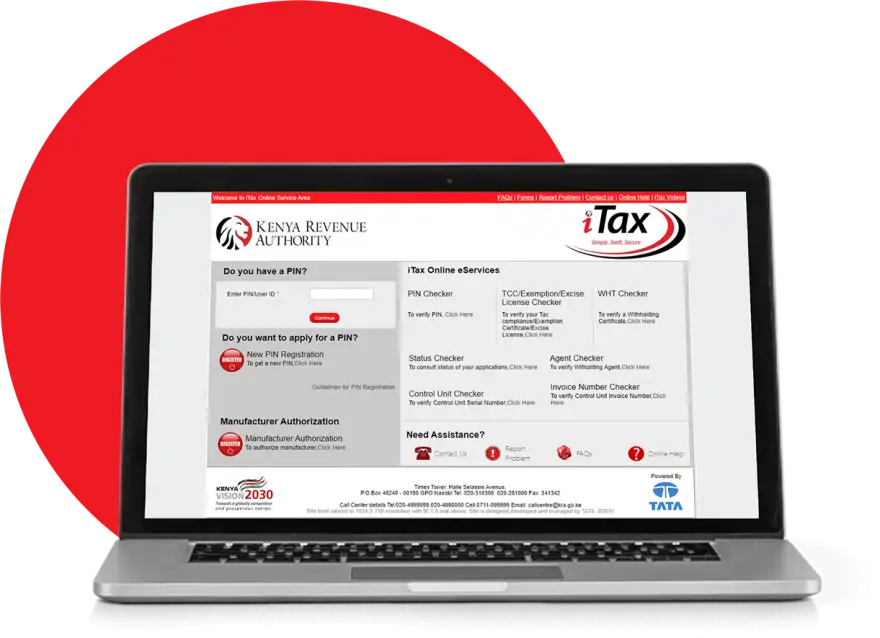
On KRA compliance, neither software automatically files your returns on itax.kra.go.ke. Both generate the financial data you need, but you or an accountant must submit returns yourself. Many small business owners find it worth hiring accountants on Kaziiko to handle this step, especially if you're unsure about deductible expenses or tax bands.
Wave's reports are basic but sufficient for sole proprietors. QuickBooks produces more granular reports—category breakdowns, cash flow projections, and balance sheets that impress lenders if you're seeking capital.
Speed, Support, and Learning Curve
Wave's support relies on community forums and email—responses take days. QuickBooks offers live chat and phone support in Kenya during business hours, which matters when your accountant has questions during tax season.
Both platforms work on mobile. Wave's app is lighter, faster on slower connections. QuickBooks' app is feature-rich but occasionally sluggish on 3G networks in remote areas.
A solo freelancer or small shop benefits from Wave's simplicity. A growing business with employees, inventory, and multiple income streams should move to QuickBooks before accounting chaos sets in.
If you're unsure which direction your business is heading, find a verified Kenyan expert on Kaziiko who can assess your specific situation and advise based on your projected growth.
Frequently Asked Questions
Can I switch from Wave to QuickBooks later?
Yes. Both platforms export your data as CSV files. QuickBooks has an import tool, though you may need to reorganize categories. It takes a few hours, not days.
Does Wave work offline in Kenya?
No. Both Wave and QuickBooks are cloud-only. You need internet to log in and work. If you're in an area with poor connectivity, consider a desktop tool or offline app instead.
Which one helps with KRA tax compliance?
Both generate financial reports you need for KRA, but neither automatically files returns on itax.kra.go.ke. You'll still need to submit manually or hire someone familiar with Kenyan tax law.
Is QuickBooks worth KSh 4,500 monthly for a startup?
Only if you have employees or complex inventory. If you're solo or a two-person team with simple invoicing, Wave's free tier is smarter financially.
Find an Expert on Kaziiko