Withholding Tax in Kenya: What Businesses Need to Know
Withholding tax is a mandatory deduction that catches many Kenyan business owners off guard. Here's what you actually need to do to stay compliant with KRA.
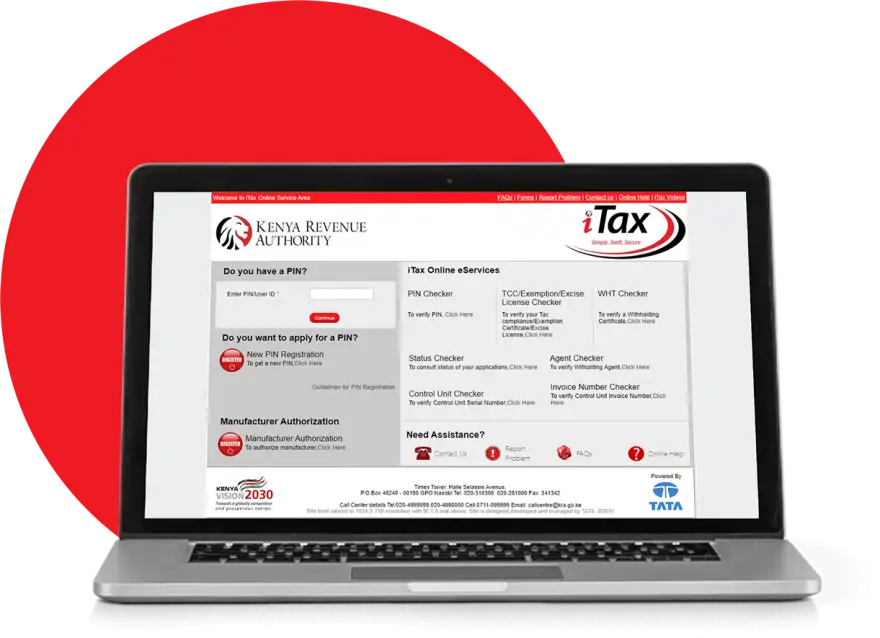
Withholding tax trips up more Kenyan businesses than almost any other tax obligation. It's not optional, it's not negotiable, and getting it wrong costs you penalties, administrative headaches, and lost time. If you hire contractors, buy goods from suppliers, or make payments to service providers, you're likely required to withhold tax at source and remit it to the KRA.
The mechanism is straightforward in theory: you deduct tax from a payment before handing over money to the recipient, then deposit that withheld amount to the Kenya Revenue Authority. The recipient gets a reduced payment, but a tax credit. The problem emerges when business owners don't know which transactions trigger withholding, what rates apply, or how to report them correctly on itax.kra.go.ke.
Which Payments Require Withholding Tax
The KRA withholds tax on three main categories: supplies of goods, services, and specific payments to individuals and non-residents.
When you purchase goods or services from a supplier—whether it's a printing company, IT consultant, or logistics provider—you're required to withhold 6% of the invoice value if the supplier is registered for VAT. If they're not VAT-registered, you withhold 3%. The same applies to payments for repairs, professional fees, and subcontracting work.
For payments to employees beyond their regular salary—like commissions, bonuses, or sitting allowances—withholding applies at the personal income tax rate (currently 30% for amounts above KSh 387,500 monthly). Payments to non-resident individuals or foreign companies trigger withholding at 20% unless a tax treaty says otherwise.
Some payments are exempt. You don't withhold on supplies from unregistered vendors earning below the VAT threshold, or on certain government transactions. The KRA publishes a full list on their website, but many businesses operate on outdated information.
The Mechanics: How to Calculate and Remit
Let's walk through an actual example. Your business pays a local graphic designer KSh 50,000 for a branding project. The designer is VAT-registered. You calculate: 50,000 × 6% = KSh 3,000. You pay the designer KSh 47,000 and withhold KSh 3,000. That KSh 3,000 must be remitted to the KRA by the 20th of the following month.
You submit the withholding through your iTax account. Log into itax.kra.go.ke, navigate to the withholding section, enter the supplier details, the invoice amount, and the tax withheld. The system generates a withholding certificate automatically—critical, because the supplier needs this to claim their tax credit.
The payment itself goes through your bank or M-Pesa to the KRA's designated account. Check your iTax dashboard for the correct account number; it varies by region and changes occasionally. If you submit the return but don't pay, the KRA flags it. If you don't submit at all, penalties accumulate quickly.
Many businesses hire KRA tax experts on Kaziiko to handle this monthly. The cost is usually KSh 2,000–5,000 monthly, far less than the penalties for non-compliance.
Common Mistakes and How to Avoid Them
Most errors fall into three buckets: withholding from the wrong transactions, calculating the wrong rate, or missing the remittance deadline.
Business owners often withhold from payments they shouldn't—like purchases from unregistered vendors or payments to other companies without verifying VAT registration. Always confirm the supplier's VAT status before calculating. The KRA's online portal lets you verify this.
Deadline misses are common because many businesses don't track withholding separately. Set a calendar reminder for the 19th of each month. If you process dozens of withholdings monthly, use accounting software that tracks them automatically and alerts you before the deadline.
Issuing withholding certificates late—or not at all—damages supplier relationships and creates audit friction. Generate and send these certificates to suppliers within five working days of payment.
Compliance experts recommend a simple spreadsheet or accounting system entry for each withheld transaction: supplier name, invoice amount, rate, withholding amount, payment date, and remittance date. This takes fifteen minutes monthly but saves hours during an audit.
Frequently Asked Questions
Do I withhold tax on M-Pesa payments to suppliers?
Yes. The payment method doesn't matter—only the transaction type. If you're paying for goods or services, withholding applies whether you use M-Pesa, bank transfer, or cash. Record the transaction the same way you would any other payment.
What happens if I don't withhold or don't remit on time?
The KRA imposes penalties: 5% of the unpaid withholding amount if you're late, plus interest accruing daily. For missing withholding entirely, penalties can reach 20% of the amount owed. Repeated non-compliance risks suspension of your tax compliance certificate and potential audit escalation.
Can I claim a credit if I withheld incorrectly?
Sometimes. If you over-withheld, you can request a refund through iTax by filing an amended return with supporting documentation. Under-withholding is trickier—you'll owe the difference plus penalties. Accuracy at source saves frustration later.
Who provides the withholding certificate to customers?
You do. As the payer, you issue the certificate to the supplier (the recipient of the payment). The supplier needs this to claim their tax credit on their own KRA returns. Failure to provide it creates disputes and audit complications.
Find an Expert on Kaziiko