Kenya's Presumptive Tax: What Self-Employed People Must Know
The presumptive tax is a fixed annual levy the KRA charges self-employed Kenyans instead of income tax. Here's what you actually owe and how to pay it.
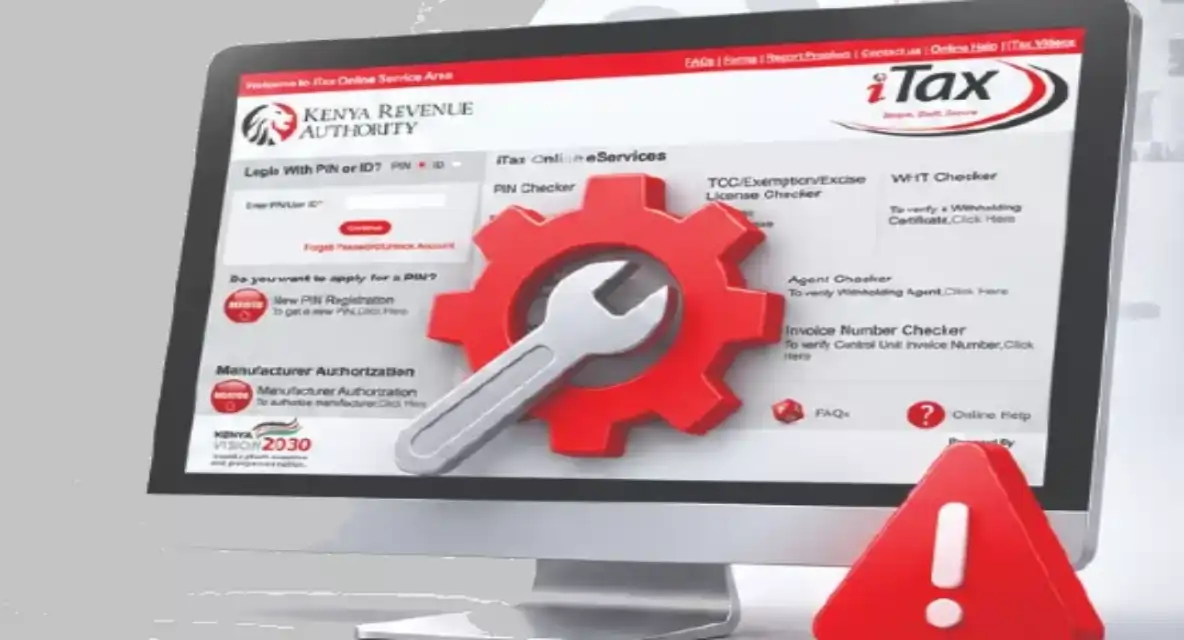
Self-employed Kenyans pay presumptive tax—a flat annual charge to the Kenya Revenue Authority instead of calculating income tax on actual profits. The amount depends on your business type and turnover band, not on what you actually earned. It sounds straightforward, but the rules shift often, and many people overpay or miss deadlines.
If you run a salon, repair shop, consultancy, or any other sole proprietorship, you need to understand this tax. Confusion here costs money and can trigger penalties.
How Presumptive Tax Works
The KRA groups self-employed businesses into categories. A hairdresser pays a different rate than a mechanic, who pays differently than an IT consultant. Within each category, your tax band depends on your estimated annual turnover.
For example, a business projected to earn KSh 500,000 annually falls into a lower band than one expected to earn KSh 5 million. The bands and rates change yearly, so last year's figures won't match this year's.
You don't submit receipts or profit statements. The KRA simply tells you which band you fall into based on your business description and estimated income. You pay once annually, usually by the end of June, though the deadline occasionally shifts. Pay via M-Pesa, bank transfer, or at a KRA office.
The main advantage: no monthly tax filings, no quarterly reconciliations. The main trap: you pay the same tax whether you earned KSh 2 million or KSh 8 million in that band.
Registration and Payment Steps
Register as a self-employed person on the KRA's iTax portal at itax.kra.go.ke. You'll need your PIN and business details. The system will assign you a business code and category.
Once registered, the KRA calculates your presumptive tax amount based on your turnover band. You'll see this figure in your iTax dashboard. Pay online through the portal using M-Pesa or bank transfer, or print a payment slip and settle it at a bank or KRA office.
Keep your payment receipt. If you miss the deadline, penalties accrue quickly—typically 5% of the unpaid tax per month plus interest. The KRA can also pursue debt collection.
Many self-employed people benefit from working with tax experts on Kaziiko who can guide them through registration, ensure they're in the correct band, and help track payment deadlines. It's not expensive, and mistakes cost far more.
Common Pitfalls
People often register under the wrong business category, landing in a higher band than necessary. Spend time getting this right on your first registration—changing it later is bureaucratic and slow.
Some assume presumptive tax covers all their obligations. It doesn't. If you employ staff, you still deduct PAYE and remit it monthly. If you're VAT-registered, you still file VAT returns. Presumptive tax only replaces your personal income tax obligation.
Others pay once and forget about renewal. Your presumptive tax must be paid every financial year. Missing even one year triggers arrears and can prevent you from accessing government tenders or loans.
If your business grows substantially mid-year, you can apply to move to a higher band. However, the KRA assesses this conservatively. Document your growth with bank statements and invoices if you plan to request a change.
For complex situations—multiple income streams, recent business registration, or significant turnover changes—find a verified Kenyan expert on Kaziiko who specializes in tax compliance. A few hours of professional advice prevents costly errors.
Frequently Asked Questions
What if my actual income is lower than my presumptive tax band?
You still pay the full presumptive tax amount. That's the trade-off: you get simplicity, but you lose the ability to claim deductions if earnings fall. If your business genuinely shrinks, you can apply to the KRA to move to a lower band, but approval isn't automatic.
Can I claim business expenses against presumptive tax?
No. Presumptive tax is a flat levy. You don't file expense receipts or deduct costs. If you want to claim business expenses, you must opt out of presumptive tax and file regular self-assessment returns instead—but this requires keeping detailed records and filing quarterly or annually.
What happens if I don't pay presumptive tax?
The KRA charges 5% monthly penalties plus interest on unpaid amounts. After 90 days, they can pursue legal action or block your access to government services. If you're unable to pay, contact the KRA office or consult a tax expert to discuss payment plans or hardship relief options.
Do I need a business PIN to register for presumptive tax?
Yes. You need a personal KRA PIN (not a company PIN). If you don't have one, apply at itax.kra.go.ke or at any KRA office. The PIN is free and usually issued within days.
Find an Expert on Kaziiko