How to Get a KRA Tax Exemption Certificate for NGOs in Kenya
NGOs in Kenya can obtain tax exemption from the KRA through a structured application process. Learn the exact steps, required documents, and how to avoid common delays.
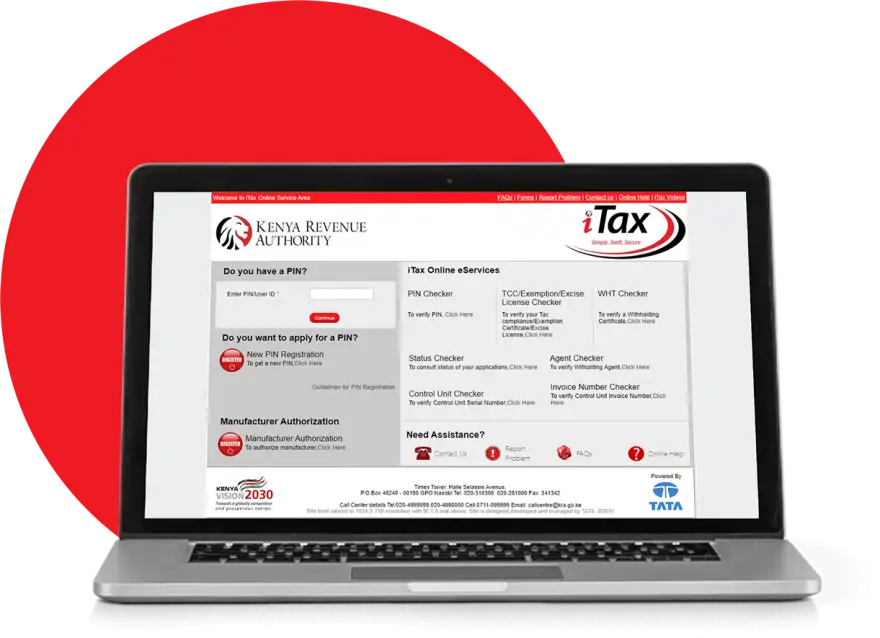
Understanding KRA Tax Exemption for NGOs in Kenya
The Kenya Revenue Authority (KRA) grants tax exemption certificates to Non-Governmental Organisations that meet strict criteria under the Income Tax Act. This exemption means your NGO avoids paying income tax on funds received for charitable, educational, or relief work—but only if the KRA recognises your organisation as genuinely non-profit.
Tax exemption is not automatic. You must apply through the KRA's iTax portal and provide comprehensive evidence that your NGO operates exclusively for public benefit, with no private individuals profiting from your activities.
Step 1: Prepare Your NGO Registration Documents
Before approaching the KRA, ensure your NGO is properly registered. You need:
- Certificate of Registration from the NGO Co-ordination Board (check ngocb.go.ke for current status)
- Valid Constitution or Memorandum and Articles of Association
- Board resolution approving the tax exemption application
- Certified copies of board members' national IDs
The NGO Co-ordination Board registration is non-negotiable—the KRA cross-checks this before processing your exemption.
Step 2: Register on the iTax Portal and File Form IT 3A
Log in to itax.kra.go.ke using your organisation's PIN (if you have one) or apply for a new PIN through the portal. Navigate to the tax exemption section and complete Form IT 3A (Application for Tax Exemption). This form requires:
- Your NGO's full legal name and registration number
- Detailed description of your charitable activities
- Sources of funding (grants, donations, fundraising)
- Annual budget breakdown
- Bank statements for the past 2 years showing fund movement
Step 3: Submit Supporting Documents
Attach audited financial statements for the past two years (mandatory for NGOs with annual income above KSh 5 million). If your NGO is newer, submit unaudited accounts with a certified accountant's letter explaining your financial position. Include a detailed project report showing how funds were used for charitable purposes, not for staff salaries or administrative costs exceeding reasonable limits.
Step 4: Pay the Application Fee and Track Your Status
The KRA charges a processing fee—check itax.kra.go.ke for the current amount. Pay via M-Pesa or bank transfer as directed. Your application typically takes 30–60 days to process. You can track progress through your iTax dashboard.
Common Reasons for Rejection
The KRA rejects applications when NGOs show personal benefit to directors, inconsistent financial reporting, or lack of clear charitable impact. Ensure your constitution explicitly states that no member benefits personally from your work.
For expert guidance through this process, consider consulting KRA tax experts on Kaziiko who understand NGO-specific tax requirements, or find a verified Kenyan expert on Kaziiko with NGO tax experience.
Find an Expert on Kaziiko