How to Apply for an MSME Loan from Kenya's Government Funds
Kenya offers several government-backed loan schemes for small businesses, but the application process requires specific documents and patience. Here's how to navigate each option.
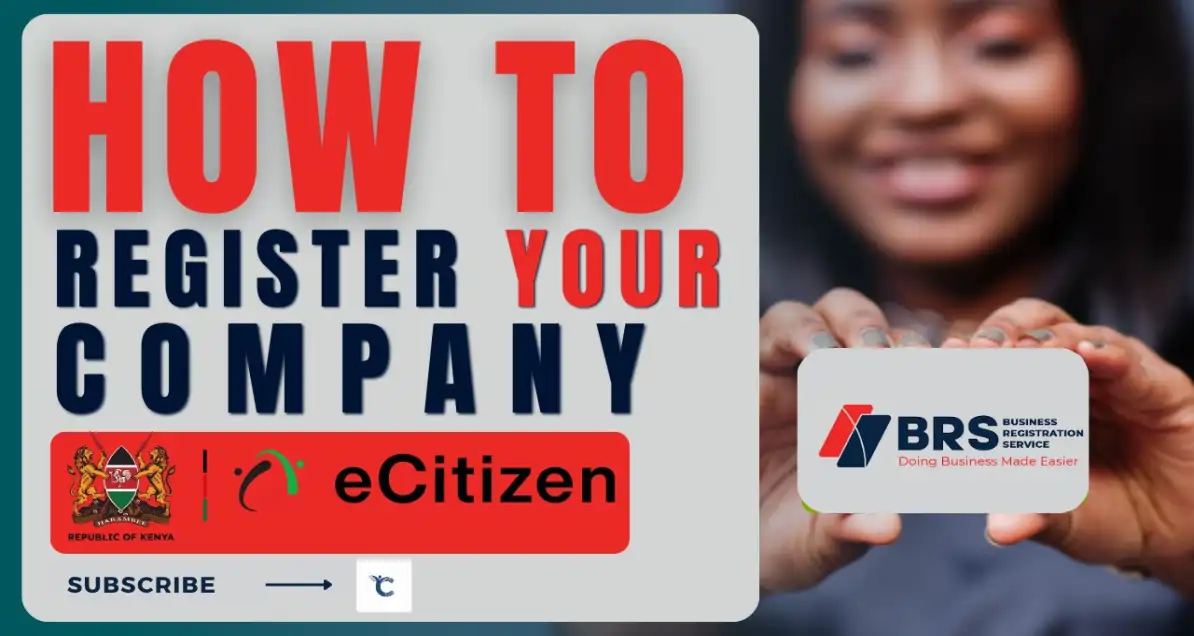
Getting money to start or grow your small business in Kenya doesn't always mean turning to banks with their steep collateral demands. The government runs multiple MSME loan programmes specifically designed to reach traders, manufacturers, and service providers who might otherwise be locked out of traditional financing.
The catch? These loans are real—not quick, not effortless, and they require you to know exactly where to apply and what paperwork to gather.
The Main Government MSME Loan Schemes
Kenya's most accessible government MSME loan comes through the Youth Enterprise Development Fund (YEDF) for applicants aged 18 to 35. The fund offers loans up to KSh 500,000 for individuals and up to KSh 1 million for groups. Interest rates hover around 8% annually, which is reasonable compared to bank rates of 12-18%. Applications go through the ecitizen portal at ecitizen.go.ke, where you create an account, fill your details, and upload required documents.
The Women Enterprise Fund (WEF) serves women entrepreneurs and has no upper age limit. Loan amounts range from KSh 50,000 to KSh 500,000 depending on your business and group size. Like YEDF, applications are submitted online through ecitizen, though some counties have regional offices where you can apply in person if you prefer face-to-face guidance.
There's also the Kenya Youth Unemployment and Livelihood Project (KYULP), which supports youth in specific sectors like agriculture, manufacturing, and ICT. Maximum loan size here is KSh 1.5 million, and repayment terms stretch to five years—longer than most MSME schemes.
What You'll Need to Prepare
Every scheme requires your national ID, KRA PIN certificate, and a completed application form. Your business registration document—either from the County Government or a group/cooperative certificate—is mandatory. Banks won't budge without proof your enterprise legally exists.
You'll also need a basic business plan. This doesn't have to be a 50-page document; a one-page summary covering what you sell, who your customers are, and how you'll use the loan works. Some funds request financial projections for the next 12 months, but these can be simple handwritten statements if your business is informal.
Collateral varies by scheme. YEDF typically requires a personal guarantor—someone with a steady income willing to co-sign—rather than physical assets. WEF often accepts group guarantee instead of individual collateral. KYULP may ask for movable assets or equipment as security.
The Application Timeline
Processing takes three to four months minimum, often longer. After submitting on ecitizen, expect a response within two weeks acknowledging receipt. Then comes verification—fund officers visit your business location, interview you, and confirm your details match what you submitted. This step alone can take four to eight weeks depending on how busy your county office is.
Once approved, the money doesn't land instantly. Funds typically disburse within two to three weeks after approval, and some schemes insist on training sessions before release. YEDF, for instance, runs mandatory entrepreneurship training modules that take two to three days.
If you find the government process overwhelming, government services experts on Kaziiko can walk you through document preparation and portal submission.
Real Obstacles to Expect
The ecitizen portal crashes during peak seasons. Have patience and try during off-peak hours—early morning or late evening. If your county office is understaffed, verification drags. Incomplete applications get rejected and you start over. Some applicants report confusion about whether they qualify, so contact your county office before investing time.
Also note: these schemes prioritize group applications. Solo traders get loans, but groups of five or more often move faster through the pipeline.
Frequently Asked Questions
Can I apply for multiple government MSME loans at once?
No. Most schemes have a rule preventing you from accessing two government loans simultaneously. Apply to one, get approved and disbursed, repay for a few months, then apply elsewhere. Check your specific scheme's terms on ecitizen.
What happens if my application is rejected?
You'll receive a letter stating reasons—usually incomplete documents, ineligibility by age or location, or insufficient business evidence. You can reapply after fixing the issues, but wait at least three months and strengthen your application with better documentation.
Do I need a bank account to receive the loan?
Yes. Funds disburse to a bank account only. If you don't have one, open a free basic savings account at any bank—most require just an ID and KRA PIN. Some schemes now accept M-Pesa business accounts as an alternative.
What's the repayment period?
YEDF and WEF typically offer 36-month repayment (three years), while KYULP extends to 60 months (five years). Repayment starts three to six months after disbursement, giving you a grace period to generate returns from your business.
Find an Expert on Kaziiko